
Echoes in the Oak
The Living History of Castalia Plantation

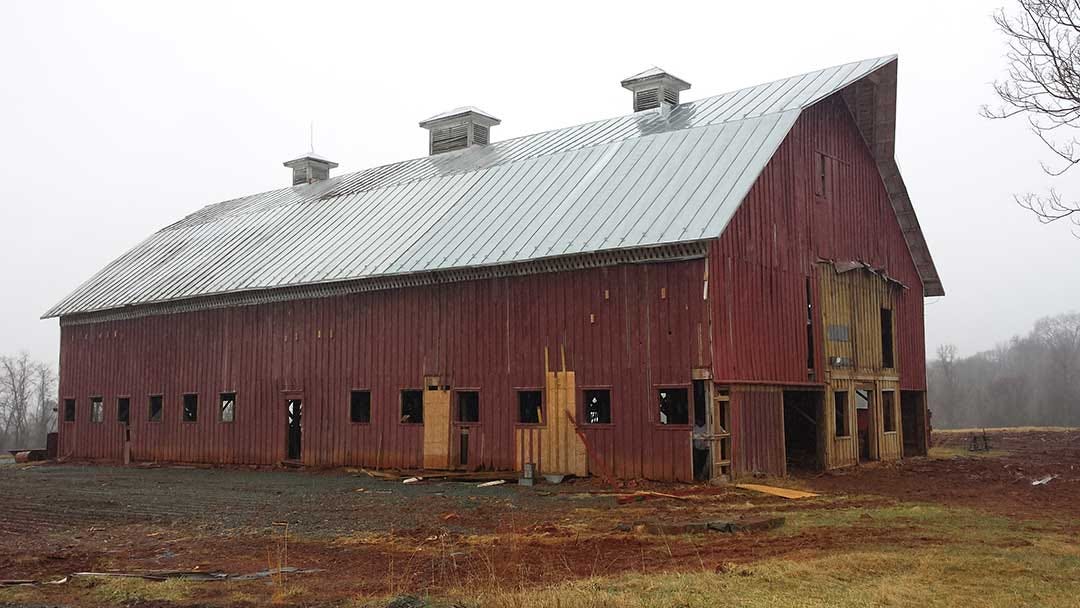
Castalia Plantation, nestled in the historic Cismont area of Albemarle County, serves as a profound microcosm of Central Virginia’s history. From its origins as a colonial land grant to its modern-day revitalization as Southwest Mountains Vineyards, the property’s legacy is defined by a complex tapestry of agricultural innovation, architectural grandeur, and the essential, often overlooked stories of the African American community who lived and worked there.
The Early Foundation and the Lewis Legacy
The story of Castalia begins with the vast Meriwether Lewis land grant. As part of this original 18th-century tract, the land was recognized early on for its agricultural potential, particularly for the quality of its orchards. The plantation’s location within the Southwest Mountains historic district—a region characterized by its fertile soils and scenic vistas—anchored it as a significant site in the early development of the Piedmont.
The Labor and Legacy of the Enslaved Community
While the names of landowners like Lewis and Morris often dominate the records, the true engine of Castalia’s early prosperity was the community of enslaved African Americans. The plantation was the site of significant human struggle and resilience, where generations of families labored under the ownership of Dr. Morris and others.
Local histories, such as those preserved by the descendants of the Morris family, highlight the deep roots established here. Dennis Morris, a retired police officer and historian, has documented how his family name stems from the original owner of the plantation where his ancestors were enslaved. These personal lineages connect the physical land to a broader history of African American perseverance in Albemarle and Louisa Counties, bridging the gap between the plantation era and the subsequent founding of local Black communities like those surrounding the St. John Rosenwald School.
Boocock and the Golden Age of Agriculture
In the late 19th and early 20th centuries, Castalia transitioned into a world-class center for livestock. In 1894, Murray Boocock purchased the estate and transformed it into a renowned Hereford cattle breeding operation. Boocock’s contribution is most visible today in the monumental barns he commissioned. Built around 1901 and 1903, these structures were marvels of their time, designed with soaring cupolas for ventilation and gambrel roofs to facilitate “scientific animal husbandry.”
Restoration and the Manning Era
After decades of neglect, the plantation underwent a careful restoration under the ownership of Paul and Diane Manning, who purchased the farm in 2013. The Mannings focused on preserving the architectural integrity of the Boocock era, particularly the remaining 1903 barn. This structure, once on the brink of collapse, was meticulously shored up and transformed into the tasting room for Southwest Mountains Vineyards.
The restoration was a literal “ground-up” effort:
Materials: Stone for the foundation was harvested from old piles on the property, and wood from original animal stalls was repurposed for interior doors and bar walls.
Artistry: Diane Manning collaborated on the custom ironwork, ensuring the aesthetic remained rooted in the farm’s equestrian and agricultural heritage.
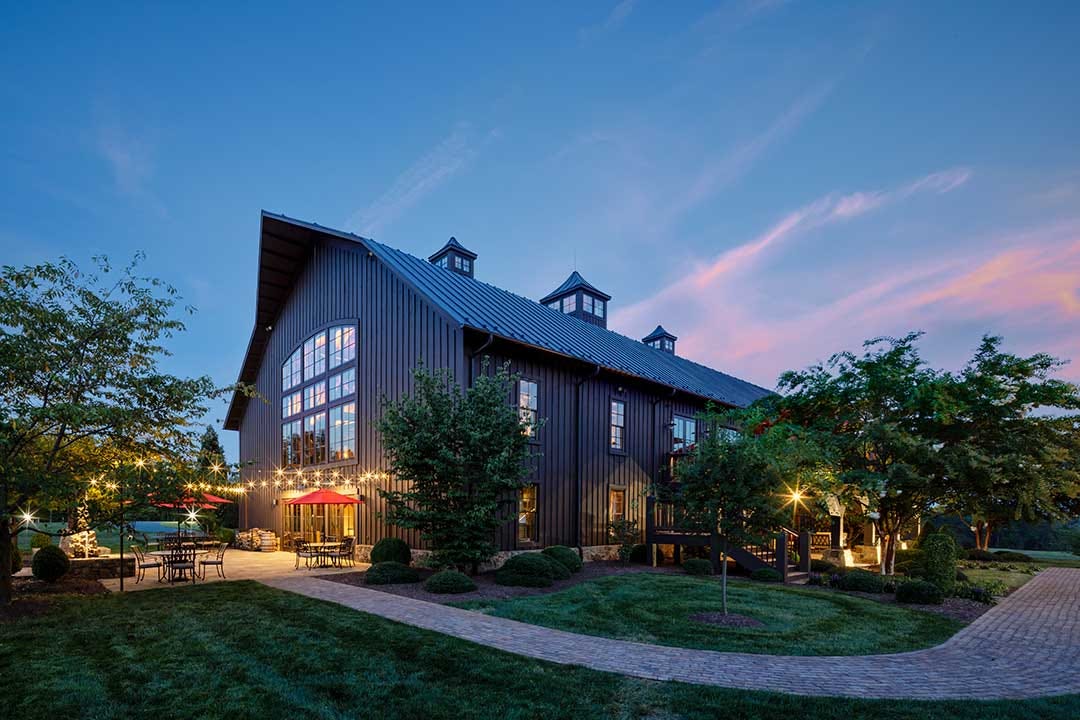
The 1903 Barn as Restored by the Mannings, home to Southwest Mountains Vineyard’s Tasting Room
Modern Mission: Vineyards and Rescue
Today, Castalia is home to Southwest Mountains Vineyards, which cultivates over 70 acres of vines across the historic estate. Beyond the wine, the property maintains a deep commitment to the welfare of animals. The plantation hosts Hope’s Legacy Equine Rescue, which utilizes the land and specialized facilities to rehabilitate and re-home abused or neglected horses, donkeys, and mules.
Through these varied chapters—from the labor of the enslaved to the craftsmanship of the Boocock barns and the modern philanthropic efforts of the Mannings—Castalia remains a vital landmark, honoring its past while serving the contemporary community of Cismont.
For more on the African American stories of this place, check out this amazing interview with descendant Dennis Morris.
And if you’re interested in reading more about my process for recovering the names and stories of enslaved individuals and communities, please see this post.
Wow, Andi... This is really interesting. Thanks!